Dry Needling Near Fairfield & Liverpool
- What is
DRY NEEDLING
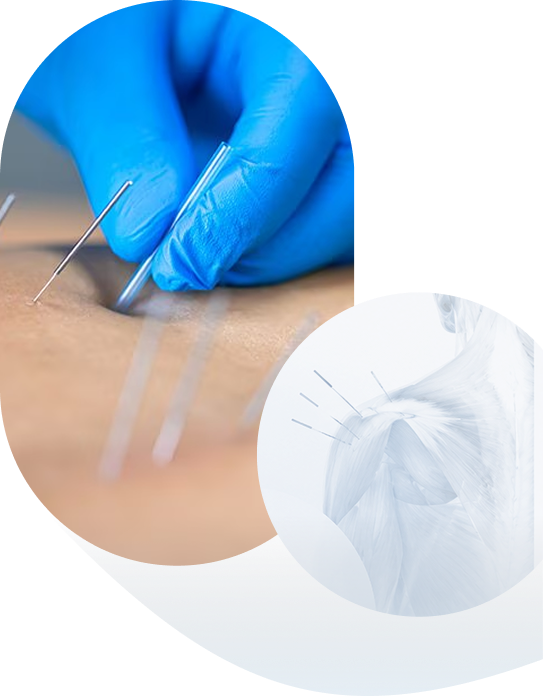
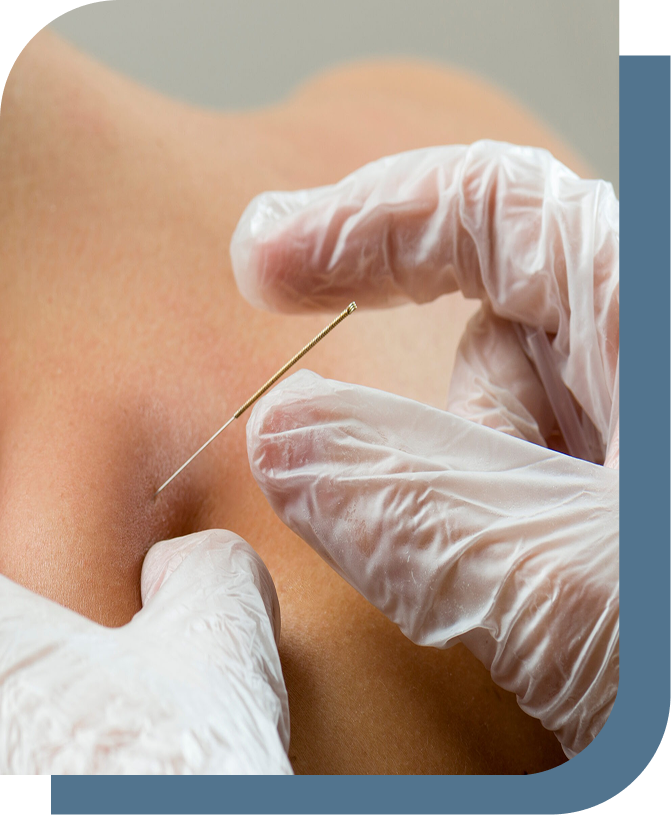
Dry needling is a modern, western medicine-based technique that uses fine, sterile needles inserted directly into trigger points — those tight, painful knots that don’t seem to go away no matter how much you stretch or massage
Unlike acupuncture, which is rooted in Traditional Chinese Medicine and targets energy meridians, dry needling is grounded in anatomy and neuroscience. The needle goes into the dysfunctional muscle tissue itself, causing a small local response that releases tension and restores normal function
For patients across Fairfield, Liverpool, Cabramatta and the wider South West Sydney area dealing with stubborn, deep-seated muscle pain, chronic tightness, or injuries that aren’t responding to other treatments — dry needling is often the missing piece.
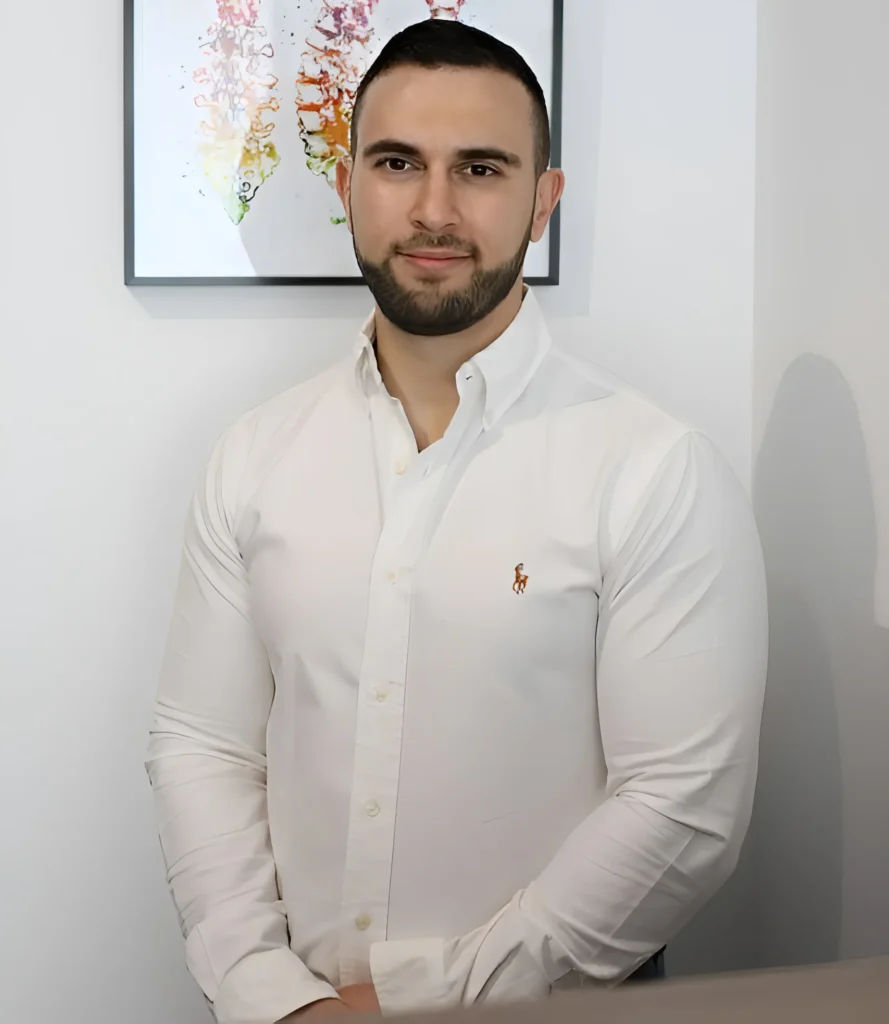
At Bonnyrigg Chiropractic & Sports Injury Clinic, Dr Yahya Dabboussi uses dry needling as part of a broader, individually tailored treatment approach — never as a standalone quick fix, always as part of understanding and addressing the root cause of your pain
What Causes Trigger Points?
Trigger points don’t develop overnight. They’re the result of muscles being repeatedly overloaded, under recovered, or chronically held in the same position without adequate movement. Understanding why they form is the first step to stopping them from coming back. Common causes of trigger points include:
Poor posture
Particularly from prolonged sitting, desk work, or screen use
Physically demanding work
Repetitive movements, heavy lifting, sustained postures
Gym training and exercise
Especially when load is increased too quickly or technique is compromised
Sports Injuries
Muscle strains, tears, or compensatory patterns that develop post- injury
Stress & Tension
Previous Injuries
Sedentary Lifestyle
For many patients across Fairfield, Liverpool and Bonnyrigg, trigger points develop gradually over months or years — often without a clear single cause. That’s why Dr Yahya always conducts a thorough assessment before any needling, to understand the full picture rather than just treating the symptom.
How Dry Needling May Help Reduce Muscle Pain
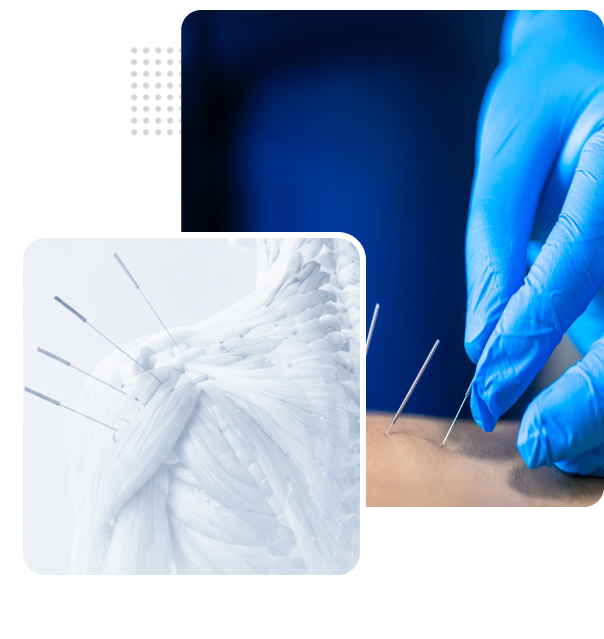
When a fine sterile needle is inserted into a trigger point, it can cause a reflex muscle contraction known as a local twitch response. This brief involuntary twitch is a sign the treatment is engaging the right tissue — and that the muscle is beginning to release. From a physiological standpoint, dry needling may help by:
Disrupting the electrical activity at the motor end plate that keeps a trigger point in a contracted state
Activating the body’s natural pain control systems through the nervous system — triggering the release of natural pain-relieving compounds
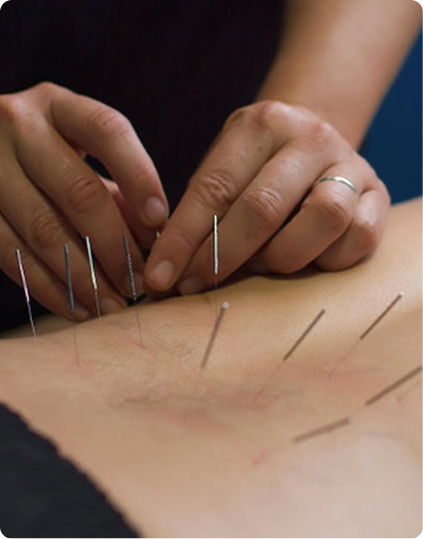
Disrupting the electrical activity at the motor end plate that keeps a trigger point in a contracted state
Stimulating blood flow to an area that has poor circulation due to sustained muscle contraction
Activating the body’s natural pain control systems through the nervous system — triggering the release of natural pain-relieving compounds
Reducing localized muscle guarding that has built up around an injury or area of chronic tension
Restoring range of motion and movement quality in muscles that have become stiff or restricted
It’s important to note that dry needling is a clinical tool — not a guaranteed cure. Results vary depending on the individual, the nature of the condition, and how long it has been present. Dr Yahya will always give you an honest assessment of whether dry needling is appropriate for
your specific situation.
What Happens During a Dry Needling Session
01 — Assessment & Diagnosis
Before any needle is placed, Dr Yahya identifies the source of your pain and locates the key trigger points causing discomfort. Understanding the cause always comes before the treatment.
02 — Precise Needle Placement
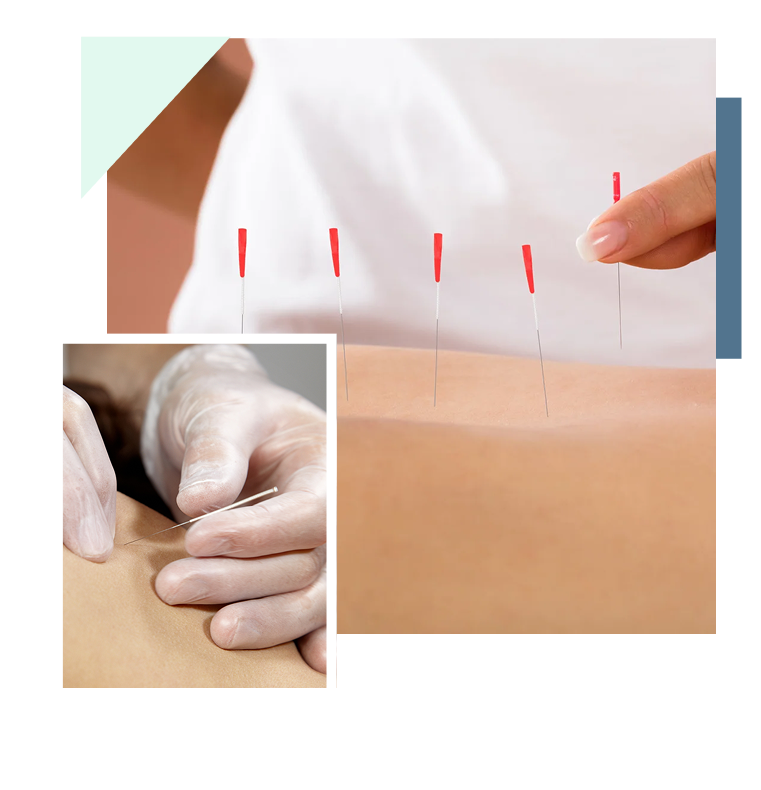
A fine sterile needle is inserted into the targeted muscle to release tension and improve function. Most patients describe the sensation as a brief, deep ache — a sign the muscle is responding
03 — Muscle Release & Recovery
The muscle relaxes, circulation improves, and the body's natural healing process begins. Many patients feel a noticeable difference within the same session
04 — Combined Treatment Approach
Dry needling is most powerful when combined with chiropractic care or soft tissue therapy. Dr Yahya will always recommend the right combination for your specific situation — not a generic plan
When Dry Needling Can Help
Dry needling is particularly effective for conditions involving muscle tension, trigger points, or restricted movement. Common presentations we treat include:
Back pain and lower back muscle spasms
Neck pain and cervical muscle tension
Sciatica-related muscle tightness
Tension headaches
Shoulder pain and rotator cuff injuries
Sports injuries and post-training recovery
Tennis elbow & golfer’s elbow
Plantar fasciitis
Tight calves, hamstrings & glutes
Hip flexor & IT band tightness
If you’re unsure whether dry needling is right for your condition, Dr Yahya will assess you thoroughly
before recommending any treatmen
Dry Needling vs Acupuncture — What's the Difference?
This is one of the most common questions we get asked. Here’s a simple breakdown:
Dry Needling
Compared
Acupuncture
Western medicine
Origin
Traditional Chinese Medicine
Muscle trigger points
Focus
Release muscle tension, restore function
Goal
Anatomy & neuroscience
Evidence base
Traditional practice
Both use fine needles — but the approach, theory, and clinical application are completely different. Dry needling is a clinical, anatomy-based technique applied by trained practitioners to address musculoskeletal pain directly.
Is Dry Needling Safe? Does It Hurt?
These are the two most common questions — and they deserve a straight answer.
Is it Safe?
Yes. When performed by a trained and qualified practitioner, dry needling is a safe and well- tolerated technique. Dr Yahya is qualified in dry needling and uses single-use, sterile needles for every patient, every session. There is no risk of cross-contamination.
Does it Hurt?
If at any point you feel uncomfortable, Dr Yahya will adjust accordingly. Your comfort and confidence in the treatment always comes first
How Dry Needling Fits Into Your Treatment Plan
Dry needling works best as part of a bigger picture. At Bonnyrigg Chiropractic & Sports Injury Clinic, we rarely use it in isolation. Depending on what your assessment reveals, Dr Yahya may combine dry needling with
Chiropractic adjustments
To address the underlying joint and spinal component driving the muscle tension
Rehabilitation exercises
To restore strength and prevent the problem from returning
Deep tissue massage
Cupping
This integrated approach is why our patients get better results than those who receive dry needling alone. The needle addresses the trigger point — but understanding why that trigger point exists in the first place is what stops it from coming back.
Chiropractic adjustments
To address the underlying joint and spinal component driving the muscle tension
Rehabilitation exercises
To restore strength and prevent the problem from returning
Deep tissue massage
Cupping
Why Patients Across Fairfield, Liverpool & Bonnyrigg Choose Dry Needling
Patients from Fairfield, Liverpool, Cabramatta, Wetherill Park, Bossley Park, Smithfield and surrounding suburbs commonly seek dry needling for persistent muscle tightness, sporting injuries, postural strain and chronic pain conditions.
Whether you’re dealing with long hours sitting at a desk, physically demanding work, gym- related injuries or recurring muscle tension — dry needling can form part of an effective treatment strategy designed to restore movement and reduce discomfort.
Our clinic in Bonnyrigg is centrally located for patients across South West Sydney — and with appointments available until 9:00 PM on weeknights, you don’t have to take time off work to get the care you need
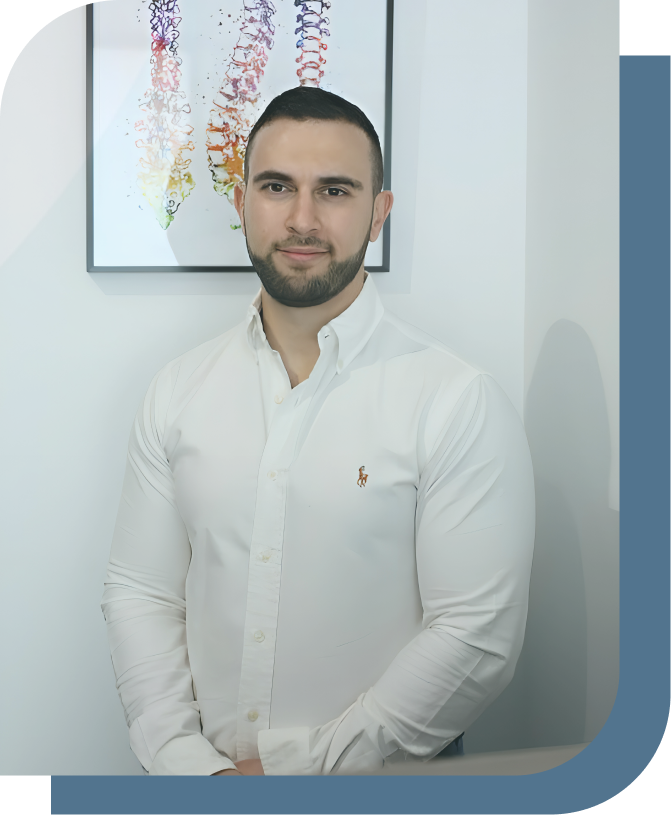
Why Patients Trust Dr Yahya for Dry Needling
There are plenty of practitioners in South West Sydney who offer dry needling as an add-on service. At Bonnyrigg Chiropractic, it’s a core part of how we treat — not an afterthought
Qualified in dry needling — not all practitioners who offer this treatment hold a specific qualification
Over a decade of clinical experience treating patients across Fairfield, Liverpool and South West Sydney
Thousands of consultations across chiropractic, sports injury and musculoskeletal care
Every patient receives a thorough assessment before any needling takes place — we never treat blind
Individualized treatment plans — your plan is built around your body, your history and your goals
Evidence-informed approach — dry needling is applied within a clinical framework grounded in anatomy and current research
No pressure, no lock-in plans — if dry needling isn't right for you, we'll tell you
Why Choose Bonnyrigg Chiropractic for Dry Needling?
- Open Monday-Thursday until 9:00 PM — because pain doesn't work 9 to 5, neither do we
- Saturday appointments available 9:00 AM-3:00 PM
- Conveniently located in Bonnyrigg — serving Fairfield, Liverpool, Cabramatta, Wetherill Park, Bossley Park & Smithfield
- Dr Yahya is qualified in dry needling, this is not a generic add-on service
- Always combined with a full assessment — we never needle without understanding why
- Evidence-based treatment — grounded in anatomy and current clinical research
- No pressure, no lock-in treatment plans — just honest care
Frequently Asked Questions About Dry Needling
How many sessions will I need?
This depends entirely on your condition, how long you’ve had it, and how your body responds. Some patients feel significant relief after one session. Others with chronic or complex presentations may need three to six sessions. Dr Yahya will give you an honest assessment after your first visit — no inflated treatment plans.
What should I do after dry needling?
After a session, we recommend staying well hydrated, avoiding intense physical activity for 24 hours, and applying a heat pack to any areas of soreness if needed. Mild muscle soreness is normal and typically resolves within 24-48 hours. Dr Yahya will give you specific post-treatment advice based on your individual session.
Can dry needling help lower back pain?
Dry needling can be an effective part of a lower back pain treatment plan, particularly when muscle spasm or trigger points in the lumbar, gluteal or hip flexor muscles are contributing to the pain. It is best used as part of a broader assessment and treatment approach rather than in isolation.
Can dry needling help headaches?
Tension-type headaches and cervicogenic headaches (headaches arising from the neck) often respond well to dry needling, particularly when trigger points in the upper trapezius, suboccipital or cervical muscles are a contributing factor.
Is dry needling the same as acupuncture?
No. While both use needles, dry needling is a western medicine-based technique targeting specific muscle trigger points. Acupuncture is rooted in Traditional Chinese Medicine and follows a different theory and application entirely.
Is dry needling covered by private health insurance?
This depends on your health fund and level of cover. Many major Australian health funds including NIB, HCF, BUPA and Medibank provide rebates for dry needling when performed by a qualified practitioner. We recommend checking directly with your fund.
Do I need a referral?
No referral is needed. You can book directly online or call us on 0431 783 525.
How long does dry needling last?
The effects of dry needling can vary. Many patients notice relief that lasts several days to weeks after a session, particularly when combined with chiropractic care or rehabilitation. As the underlying cause is addressed, results tend to become longer-lasting. Maintenance sessions may be appropriate for some patients with recurring conditions.
Can dry needling help neck pain?
Yes — dry needling is commonly used for cervical and upper trapezius trigger points that cause neck pain, shoulder tension and referred headaches. It is often combined with chiropractic adjustments to address both the muscular and joint components of neck pain.
Can dry needling help sciatica?
Dry needling can help address the muscular component of sciatica — particularly piriformis muscle tightness and trigger points that can contribute to sciatic nerve irritation. It is typically used alongside chiropractic care and rehabilitation for comprehensive sciatica management.
Can dry needling be combined with chiropractic care?
Absolutely — and in many cases it produces better outcomes when combined. Dry needling releases the muscular tension while chiropractic addresses the underlying joint and spinal component. Dr Yahya regularly uses both in the same session where appropriate.
Will I be sore after a session?
Mild muscle soreness for 24-48 hours after treatment is common and normal — similar to how you might feel after a deep tissue massage or a heavy workout. It typically resolves quickly and most patients find their overall pain reduces significantly after this initial response.
Who is dry needling not suitable for?
Dry needling may not be appropriate for patients with certain bleeding disorders, needle phobias, or specific medical conditions. Dr Yahya will conduct a thorough assessment before any treatment to ensure it is safe and appropriate for you.
Ready to Get to the Root of Your Muscle Pain?
Stubborn muscle pain responds really well to the right treatment. If you’ve been stretching, resting and hoping it improves — dry needling might be the answer you’ve been looking for.
Book your dry needling session today — open until 9:00 PM weeknights.
Serving Bonnyrigg, Fairfield, Liverpool, Cabramatta, Wetherill Park, Bossley Park and Smithfield — South West Sydney.