Cupping & Hijama Therapy in Bonnyrigg
Ancient therapy. Modern clinical setting. Real results.
- What is
Cupping & Hijama Therapy?
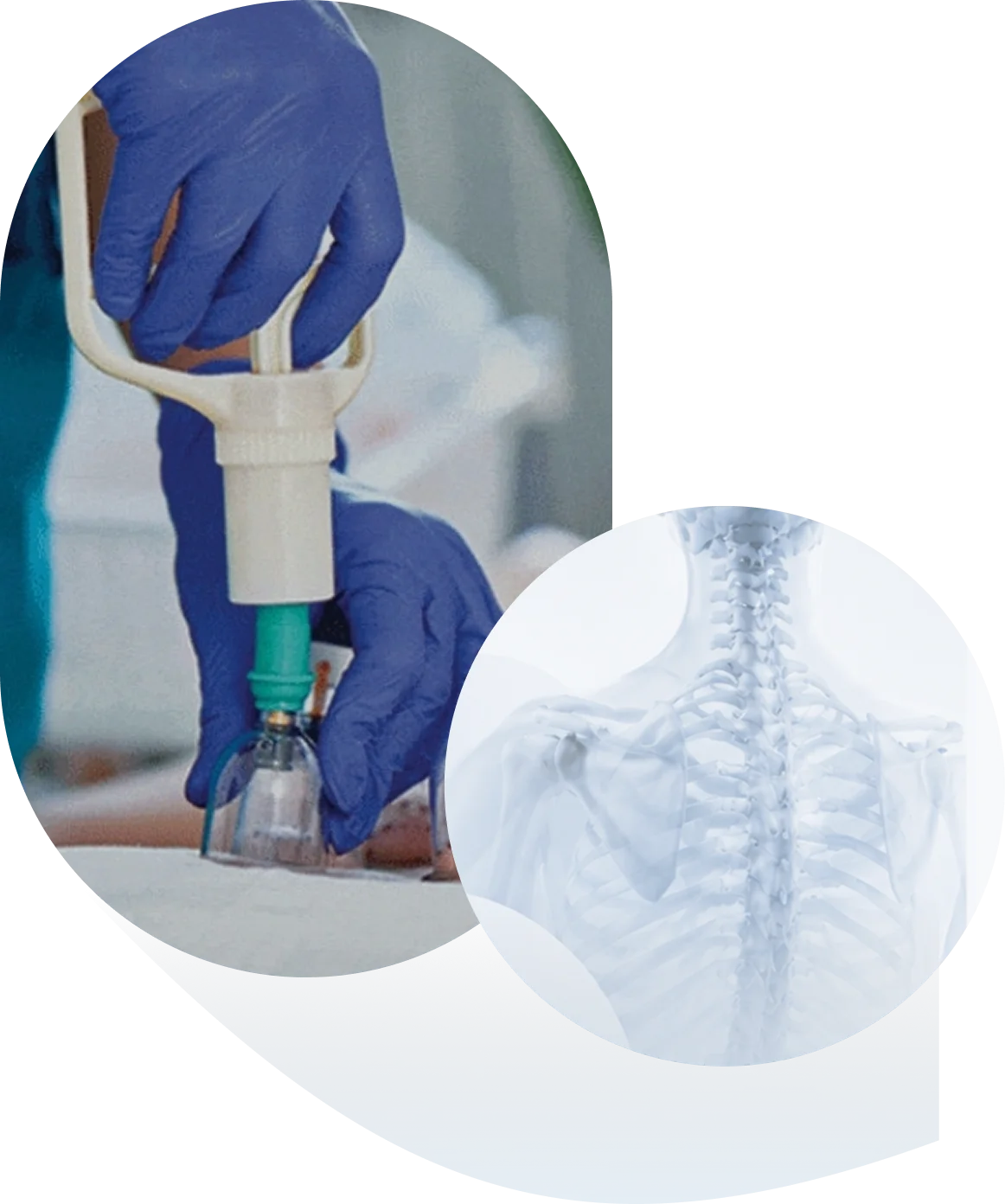
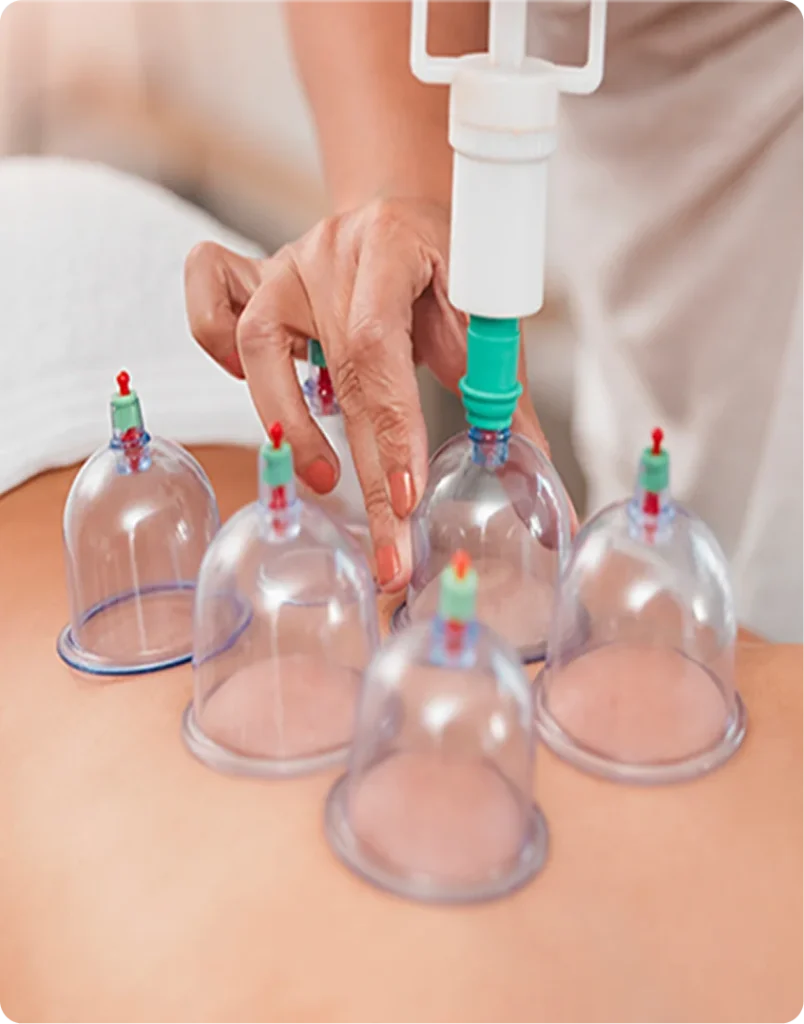
Cupping therapy is a traditional treatment that uses specialised cups placed on the skin to create gentle suction — drawing blood flow to the area, releasing muscle tension, and supporting the body’s natural healing processes.
Hijama — also known as wet cupping — is the traditional Islamic form of cupping therapy that has been practised for centuries. It involves a two-stage process: first applying suction to the skin using cups, then making small superficial incisions and reapplying the cups to draw out a small amount of blood. Hijama is considered a Sunnah practice and holds significant cultural and spiritual importance for many patients in our community.
At Bonnyrigg Chiropractic & Sports Injury Clinic, both dry cupping and Hijama are performed in a clean, safe, and professional clinical environment — delivered with strict hygiene standards and always within the context of a broader musculoskeletal treatment approach.
Why Patients Seek Cupping & Hijama Therapy
Patients come to us for cupping and Hijama for a range of reasons — some clinical, some traditional, and many both. Common reasons include:
Chronic muscle tension
and tightness that isn’t responding to other treatments
Back pain
neck pain, and shoulder tension
Sports recovery
accelerating muscle repair after training or competition
General fatigue
and feeling of heaviness in the body
Headaches
and feeling of heaviness in the body
Seeking Hijama
as a Sunnah practice for spiritual and physical wellbeing
Post-injury recovery
support alongside chiropractic and manual therapy
How Cupping & Hijama Therapy Works
When suction cups are applied to the skin, the negative pressure draws the superficial layers of tissue upward — stimulating blood flow, loosening fascial adhesions, and creating a decompression effect on the underlying muscle. This is the opposite mechanism to deep tissue massage, which uses compression. The two techniques complement each other well and are often used together.
From a clinical standpoint, cupping may help by:
Improving localised circulation to areas of chronic tension or stagnation
Promoting the release of metabolic waste products from overworked or injured muscles
Reducing myofascial restrictions and improving tissue mobility
Supporting the nervous system’s natural pain-modulating response
Improving localised circulation to areas of chronic tension or stagnation
Reducing myofascial restrictions and improving tissue mobility
Promoting the release of metabolic waste products from overworked or injured muscles
Supporting the nervous system’s natural pain-modulating response
Hijama adds the additional element of blood removal — which in traditional Islamic medicine is understood to remove harmful or stagnated blood and promote broader physical and spiritual wellness. Many patients report feeling significantly lighter, clearer, and more energised following Hijama.
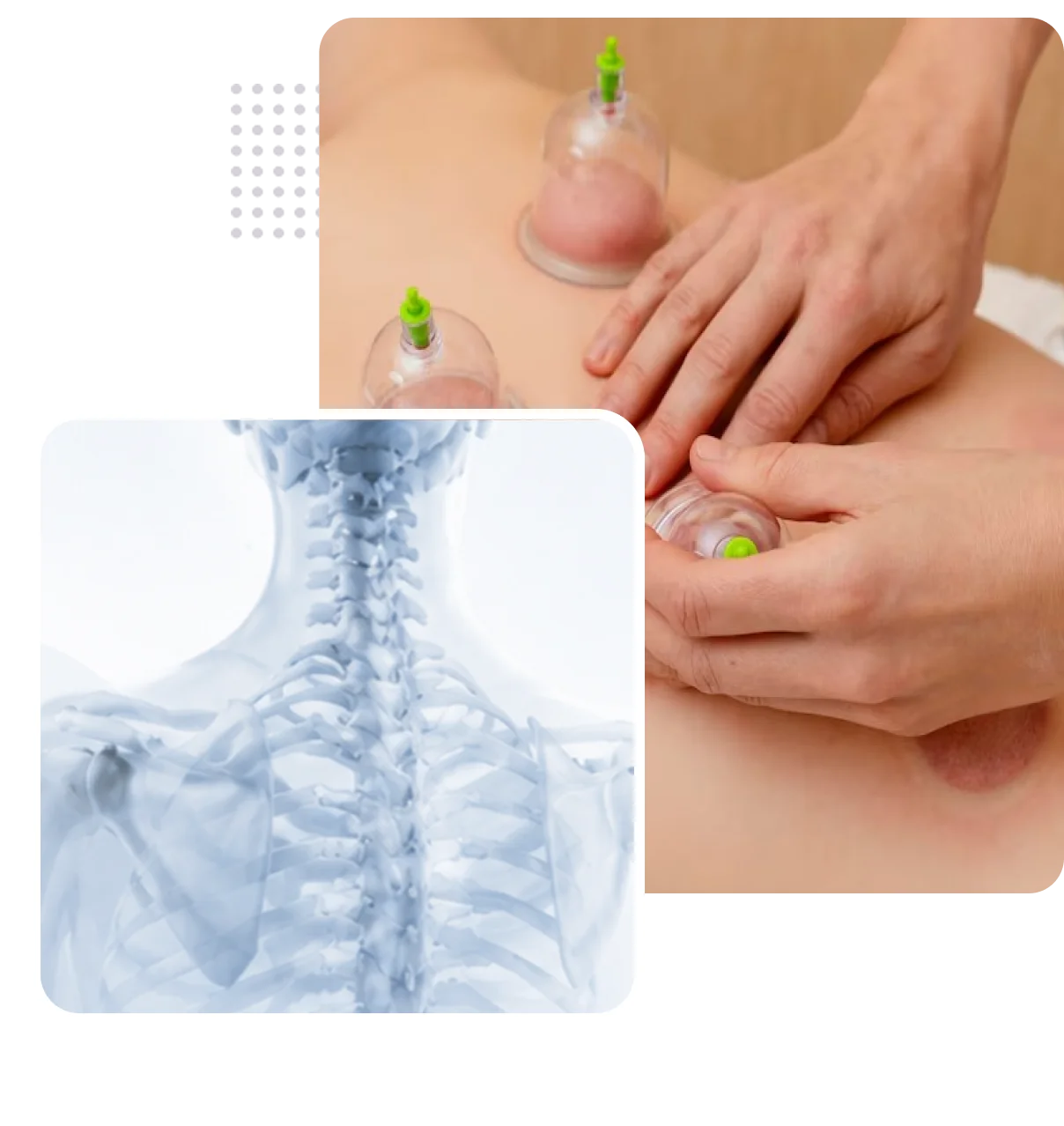
What Happens During a Cupping or Hijama Session?
01 — Consultation
We begin with a brief consultation to understand your health history, what you're seeking treatment for, and whether dry cupping or Hijama is more appropriate for your needs. Any contraindications are identified before treatment begins.
02 — Cup Placement
Cups are placed on the targeted areas — typically the back, shoulders, neck, or lower limbs depending on your presentation. For Hijama, the traditional cupping points (Sunnah points) are used in addition to any clinical points relevant to your presentation.
03 — Suction & Release
For dry cupping, the cups remain in place for a set period allowing the tissue to decompress and circulation to improve. For Hijama, small superficial incisions are made and the cups are reapplied to draw out a small amount of blood — performed hygienically with single-use sterile equipment throughout.
04 — Post-Treatment Advice
Following treatment, we provide guidance on hydration, diet, rest, and any activity modifications. For Hijama specifically, post-treatment recommendations aligned with Sunnah practices are also provided. Mild circular marks on the skin following cupping are normal and typically fade within a few days.
When Cupping & Hijama Can Help
Chronic back and neck muscle tension
Shoulder tightness and restricted movement
Sports recovery and post-training soreness
Tension headaches
General muscle soreness and fatigue
Restricted movement and fascial tightness
Complement to chiropractic care and dry needling for complex presentations
Cupping and Hijama are complementary therapies — they work best alongside chiropractic care, dry needling, or rehabilitation rather than as standalone treatments for musculoskeletal conditions.
Dry Cupping vs Hijama — What's the Difference?
- Dry cupping — uses suction cups only. No incisions. Focuses on decompression, circulation, and myofascial release. Suitable for all patients.
- Wet cupping (Hijama) — involves suction followed by small superficial incisions to draw out a small amount of blood. Rooted in traditional Islamic medicine and considered a Sunnah practice. Performed using single-use sterile equipment with strict hygiene protocols.
Both forms are offered at Bonnyrigg Chiropractic. If you’re unsure which is more appropriate for your situation, Dr Yahya will discuss the options with you during your initial consultation.
Dry Needling
Compared
Acupuncture
Western medicine
Origin
Traditional Chinese Medicine
Muscle trigger points
Focus
Release muscle tension, restore function
Goal
Anatomy & neuroscience
Evidence base
Traditional practice
Is Cupping & Hijama Safe? What Should I Expect?
Yes — when performed by a trained practitioner using proper hygiene protocols, both dry cupping and Hijama are safe and well-tolerated treatments.
Will the marks last?
Circular marks on the skin following cupping are common and are a sign of increased circulation to the area. They are not bruises in the traditional sense and typically fade within three to seven days. Their colour can indicate the level of stagnation in the tissue — darker marks often appear in areas of greater tension or restricted circulation.
Is Hijama hygienic?
Yes. At Bonnyrigg Chiropractic, Hijama is performed with single-use sterile lancets and cups throughout. There is zero risk of cross-contamination. Hygiene and patient safety are our absolute priority.
Who should avoid cupping?
Cupping and Hijama may not be appropriate for patients who are pregnant, have certain skin conditions, bleeding disorders, or are on blood-thinning medication. A brief health consultation before treatment identifies any contraindications.
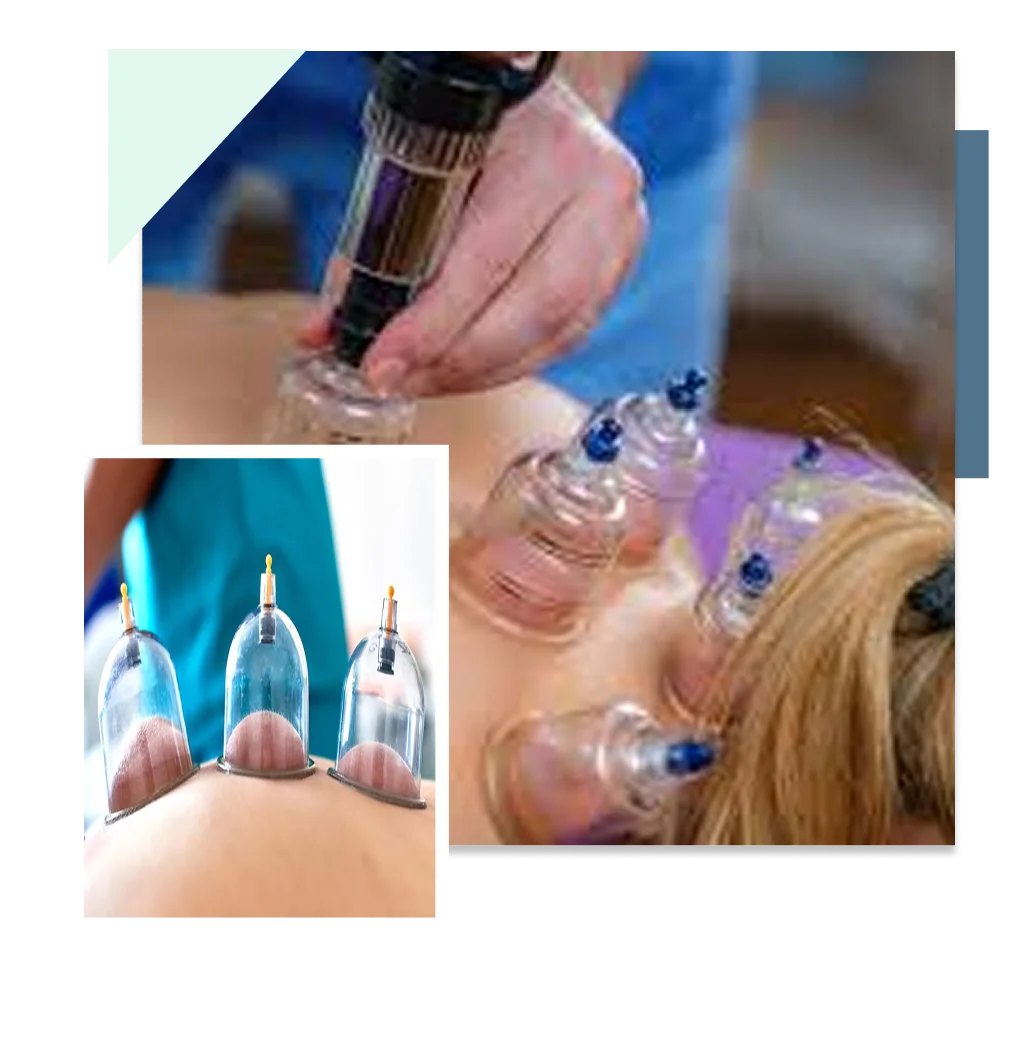
How Cupping & Hijama Fits Into Your Overall Treatment
Cupping and Hijama are most effective as part of a broader treatment approach. At Bonnyrigg Chiropractic, they are regularly combined with:
Chiropractic adjustments
addressing joint mechanics alongside soft tissue release
Dry needling
targeting deep trigger points that cupping complements well
Deep tissue massage
combined for a comprehensive soft tissue treatment
Rehabilitation
improving tissue quality before progressive loading
Whether you’re coming specifically for Hijama as a Sunnah practice or seeking cupping as part of your clinical treatment — both are welcomed and treated with equal care and professionalism.
Serving the South West Sydney Community
Bonnyrigg Chiropractic is proud to serve a diverse and multicultural community across Bonnyrigg, Fairfield, Liverpool, Cabramatta, Wetherill Park, Bossley Park and Smithfield. Hijama is a practice deeply valued by many in our community — and we provide it in a setting that honours both its traditional significance and modern clinical standards.
We understand that for many patients, Hijama is not just a physical treatment — it holds spiritual and cultural meaning. We treat every patient and every session with the respect and care that deserves.
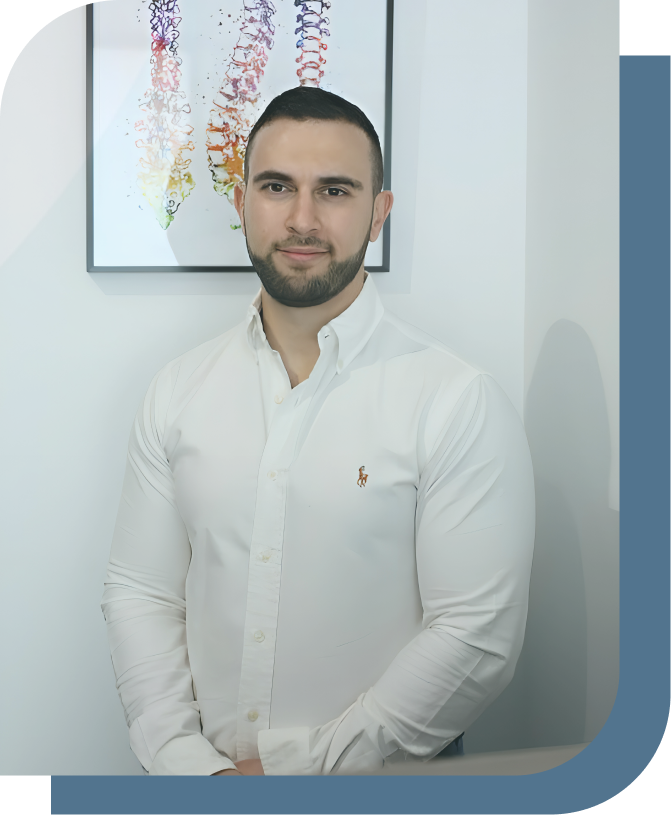
Why Patients Trust Us for Cupping & Hijama
Clinical environment — treatments performed in a clean, professional chiropractic setting
Single-use sterile equipment for every Hijama session — no exceptions
Delivered by a practitioner with a full understanding of musculoskeletal anatomy
Integrated with chiropractic care for better clinical outcomes
Respectful of traditional Islamic Hijama practices and the community that values them
Honest — if cupping or Hijama is not appropriate for your presentation, we'll tell you
Why Choose Bonnyrigg Chiropractic for Cupping & Hijama?
- Both dry cupping and Hijama available in one clinical setting
- Strict hygiene protocols — single-use sterile equipment throughout
- Integrated with chiropractic care and manual therapy
- Open Monday-Thursday until 9:00 PM
- Saturday appointments available 9:00 AM-3:00 PM
- Serving Bonnyrigg, Fairfield, Liverpool, Cabramatta, Wetherill Park & Smithfield
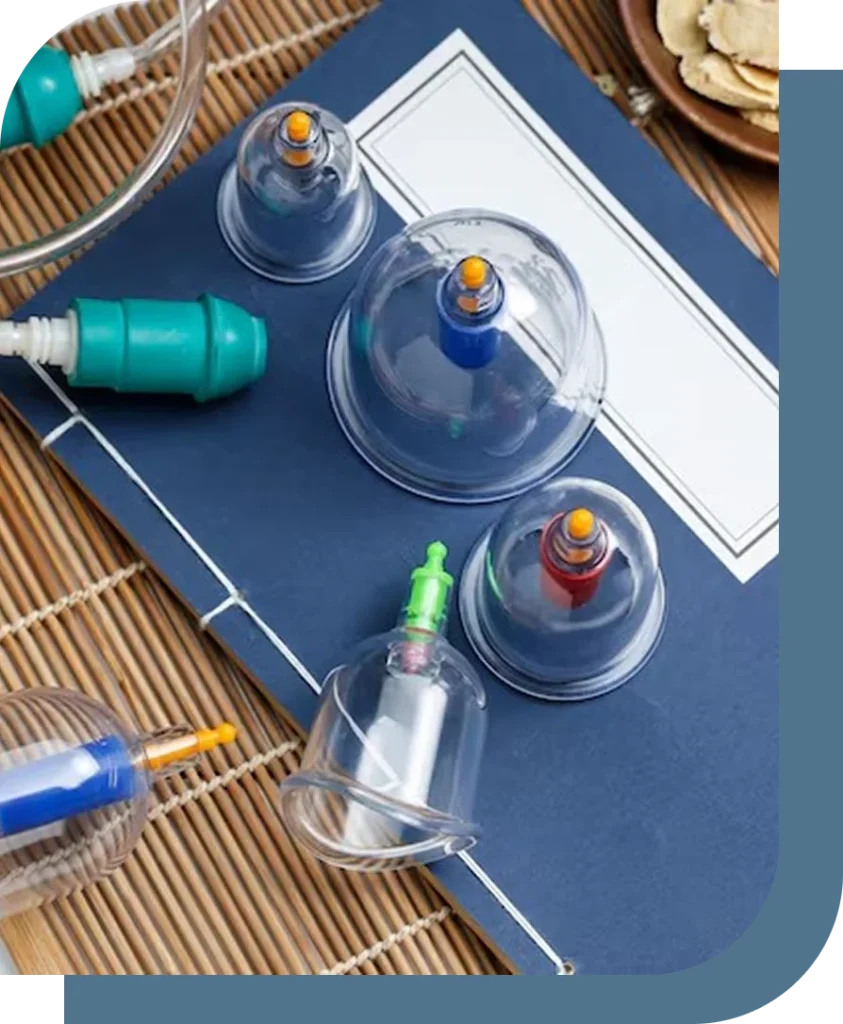
Frequently Asked Questions About Cupping & Hijama
What is the difference between Hijama and regular cupping?
Regular (dry) cupping uses suction cups only — no incisions. Hijama (wet cupping) involves suction followed by small superficial incisions to draw out a small amount of blood. Hijama is rooted in traditional Islamic medicine and is considered a Sunnah practice. Both are offered at our clinic.
Will cupping leave marks on my skin?
Circular marks are common and normal following cupping. They result from increased circulation and the decompression effect of the cups — not bruising in the traditional sense. They typically fade within three to seven days.
Can I have Hijama if I am not Muslim?
Absolutely. Hijama is a traditional therapeutic practice that is available to all patients regardless of background or belief. Many non-Muslim patients seek Hijama for its physiological and therapeutic benefits.
Is Hijama performed in a hygienic clinical setting?
Yes — at Bonnyrigg Chiropractic, Hijama is performed using single-use sterile lancets and cups throughout every session. There is zero risk of cross-contamination. Hygiene is our absolute priority.
How many sessions will I need?
This depends on your presentation and what you’re seeking treatment for. Many patients benefit from a single session combined with chiropractic care. Others with chronic conditions may benefit from a course of treatment. Dr Yahya will recommend what is appropriate for your individual needs.
Do I need a referral?
No referral is needed. You can book directly online or call us on 0431 783 525.
Ready to Book Your Cupping or Hijama Session?
Whether you’re seeking Hijama as a Sunnah practice, looking for cupping as part of your recovery, or wanting to try it for the first time — we’re here to help. Book online or give us a call.
Serving Bonnyrigg, Fairfield, Liverpool, Cabramatta, Wetherill Park, Bossley Park and Smithfield — South West Sydney.